
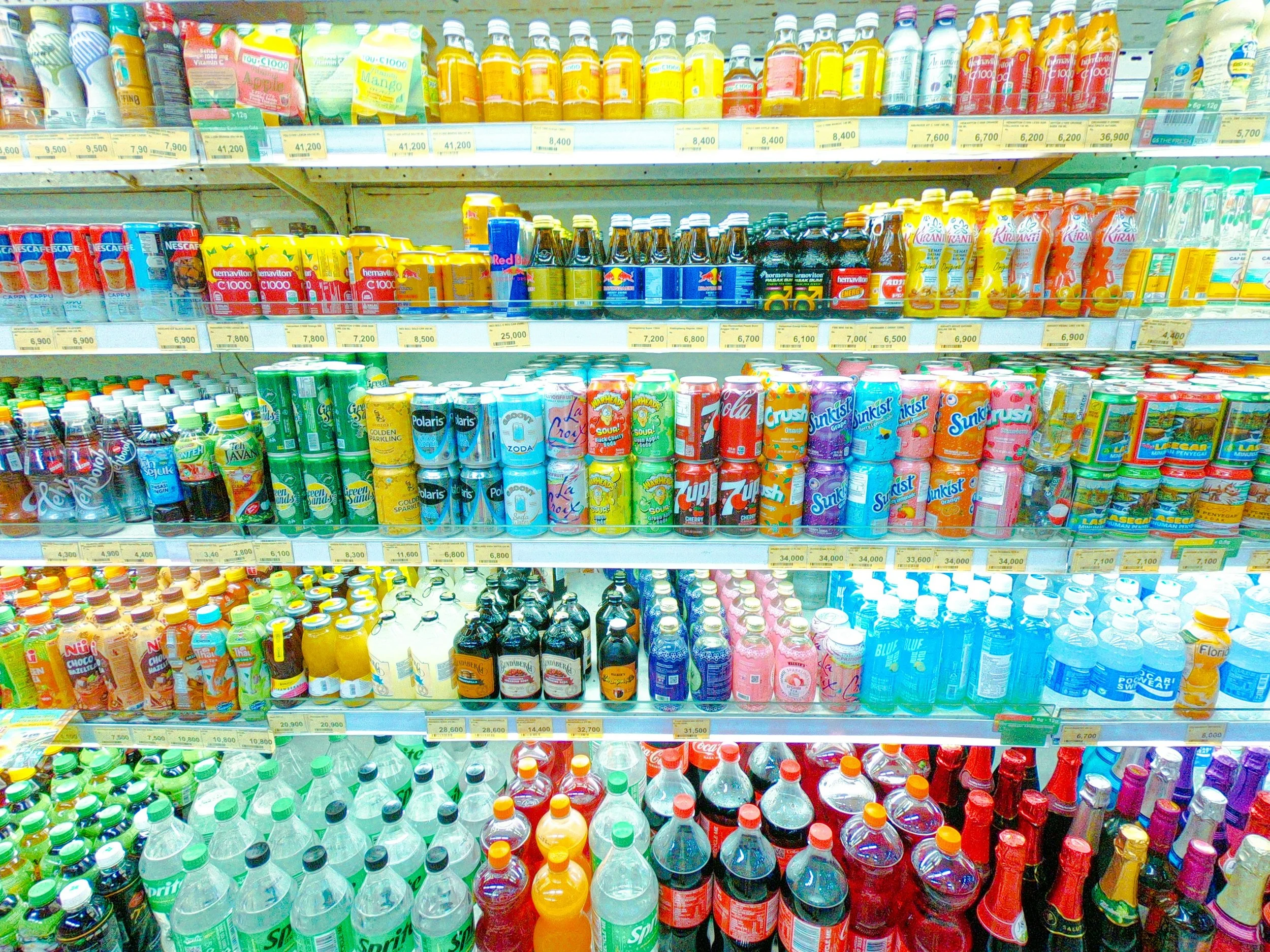
From hydration and protein sodas to spicy flavours and the return of real sugar, Mintel's latest research suggests the future of soft drinks is becoming more complex.
Functional drinks have moved from a relatively niche proposition to one of the most active areas of beverage innovation. But with more brands promising everything from improved energy to better gut health, where are the opportunities for drinks brands?
At BeverageDaily's Beverage Innovation 2026 webinar, hosted by Emma Eversham on 17 November, Mintel shared its latest European new product development (NPD) data, alongside consumer research exploring why functional drinks continue to attract attention.
And while health remains a powerful driver, the findings suggest that taste, identity, affordability and even global uncertainty are influencing what consumers choose to drink.
Functional drinks are taking a bigger share of innovation
Carbonated soft drinks continue to dominate European non-alcoholic beverage launches, but nutritional and meal replacement drinks have experienced significant growth in recent years.
Much of this activity includes powders, shakes and supplements designed to be consumed as drinks.
Meanwhile, traditional juice innovation has declined as manufacturers respond to inflation and changing consumption habits.
Functional claims are becoming increasingly common across categories. Vitamin and mineral fortification continues to grow, alongside energy, protein and hydration claims.
Hydration is particularly interesting. In 2021, just 1% of European non-alcoholic beverage launches referenced hydration or electrolytes. By 2026, that had increased to 5%.
And these claims are no longer confined to sports drinks. They're appearing in flavoured waters, carbonated soft drinks and other everyday beverages.
Health benefits are becoming a reason to try something new
One of Mintel's most interesting findings concerns the relationship between functionality and product trial.
55% of UK soft drink users say they're more likely to try a new drink if it offers health benefits, rising to 76% among men aged 16–34.
For brands entering competitive categories, that's a significant opportunity.
Functionality gives consumers another reason to consider an unfamiliar product. It can also help justify spending more at a time when household budgets remain under pressure.
But the appeal goes beyond the ingredients themselves.
Functional drinks turn relatively abstract health ambitions, such as improving gut health, increasing energy or supporting relaxation, into simple daily actions.
Rather than making major lifestyle changes, consumers can feel they're doing something positive for their health through a purchase they might have made anyway.
Your drink says something about you
Mintel also highlighted the growing connection between functional drinks and personal identity.
Some 66% of UK adults consider healthy eating an important part of their self-image, while 56% of soft drink users aged 16–34 believe the brand of soft drink someone chooses says a lot about them.
This helps explain why brands such as Ghost have expanded beyond beverages into merchandise and lifestyle products.
For drinks brands, the opportunity isn't simply to communicate a functional benefit. It's to create something consumers want to be associated with.
That can help build communities, encourage word of mouth and strengthen loyalty.
The flavour trends worth watching
While tropical flavours remain popular, Mintel identified several emerging directions.
Fruity heat: Combinations such as mango and chilli are gaining attention, drawing inspiration from street food cultures across Mexico and Asia. These combinations introduce complexity and offer consumers a more adventurous experience.
Apple: A more familiar flavour is experiencing renewed innovation. Apple works alongside botanicals, berries, spices and functional ingredients, making it particularly versatile for brands exploring new formulations.
Salt and savoury notes: Sea salt and other less conventional flavour elements are appearing more frequently, offering contrast to traditional sweetness and connecting with the growing interest in electrolytes.
There's also growing evidence that consumers want flavours that challenge them.
For younger drinkers in particular, sourness, bitterness and heat can create a more memorable experience.
Interestingly, Mintel questioned whether functional drinks always need to taste delicious.
Among UK men aged 16–24, 68% agreed that strong nutritional benefits can make an unappealing taste acceptable.
A degree of sensory challenge may even make a product's functional credentials feel more believable to some consumers.
Three assumptions brands might need to reconsider
Mintel challenged three popular narratives.
First, that functional drinks must always taste conventionally pleasant. Some consumers actively accept bitterness or other challenging characteristics as part of a functional experience.
Second, that younger consumers have abandoned alcohol. Although moderation is an important trend, Mintel's data suggests younger adults continue to participate in the alcohol category, with sweeter and more accessible flavours potentially encouraging experimentation.
Third, that consumers no longer want sugar.
57% of UK Gen Z consumers say the taste of real sugar in soft drinks makes the unhealthiness worthwhile.
The opportunity may therefore be less about eliminating sugar entirely and more about offering consumers appropriate choices for different occasions.
What does this mean for drinks brands?
Perhaps the biggest takeaway is that functional innovation is moving beyond individual ingredients.
Consumers increasingly want drinks that fit particular moments, needs and identities.
That creates opportunities to build propositions around morning hydration, afternoon focus, evening relaxation or social occasions.
But as functionality becomes mainstream, a health claim alone is unlikely to provide lasting differentiation.
Brands will need to make their benefits understandable, give consumers a compelling reason to try something new and build a proposition that remains relevant beyond the first purchase.
The functional drinks market is growing, but so is the competition. Having a great product or an interesting ingredient is only half the battle. You need a compelling story that gives consumers a reason to notice, try and buy your brand.
At Stir, we help drinks brands turn product innovation into consumer demand through creative PR, influencers and events.
Launching something new or looking to stand out in a crowded category? Get in touch and let's talk about driving demand for your brand.
This article draws on insights shared by Mintel’s Alex Beckett during BeverageDaily's Beverage Innovation 2026 webinar, hosted by Emma Eversham on 17 November 2026.