
Dry January is declining. Everyday moderation is growing
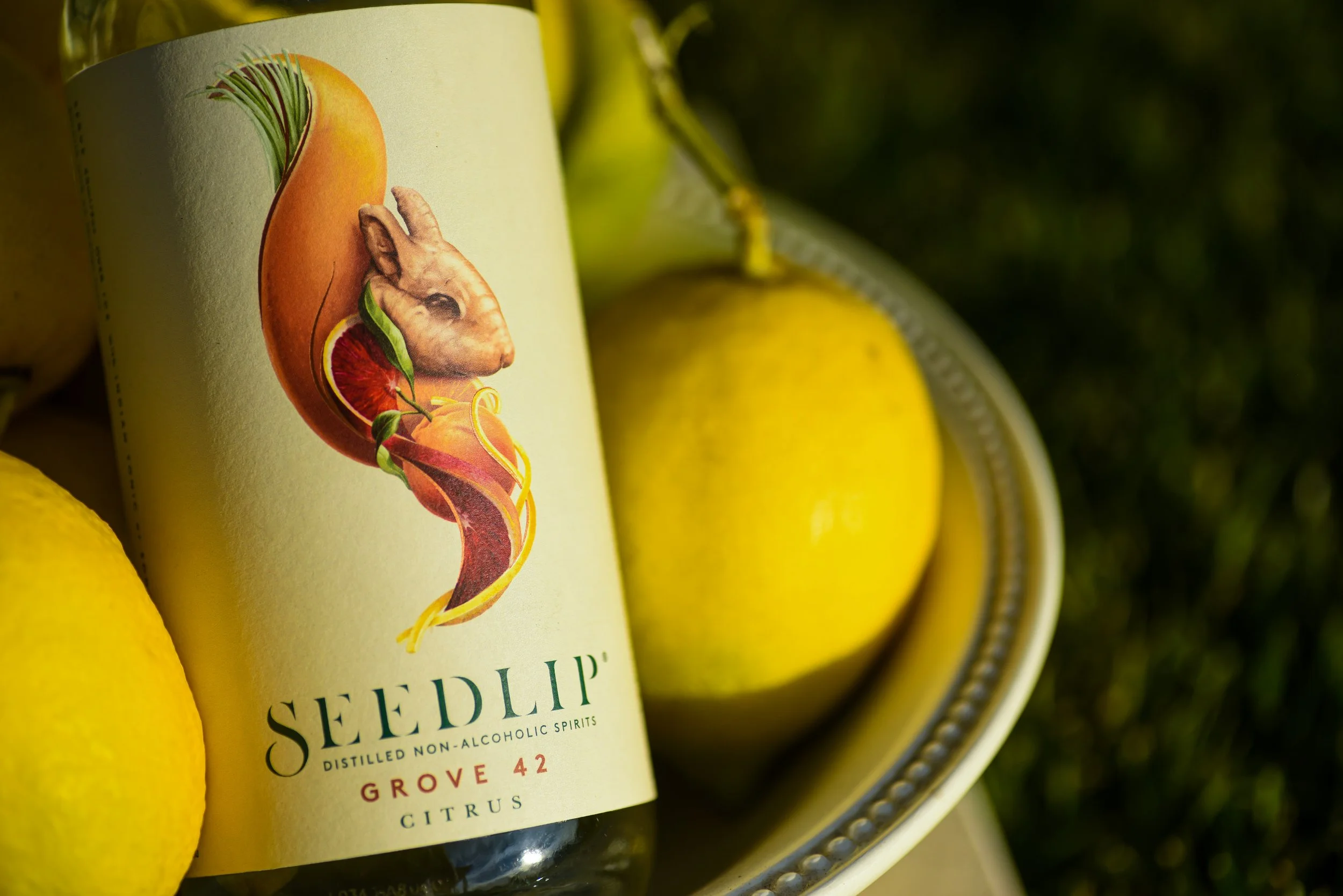
Dry January isn’t disappearing, but the way consumers are engaging with it is clearly changing. New data, as reported by The Grocer’s James Beeson, shows low & no beer sales grew just 2.8% year on year in January, compared with 15.4% growth across the past 52 weeks. Similar patterns appeared across wine, spirits and liqueurs, despite 32% of Brits saying they planned to take part in Dry January.
This isn’t a sign of a weakening category, it’s a sign that demand is becoming less seasonal. Consumers are integrating low & no options into everyday drinking habits, meaning January is no longer the single moment that defines performance. Brands relying on a once-a-year spike risk diminishing returns from heavy January-led investment. The strongest January performers underline this shift: Guinness 0.0 led the market with £4.6m in sales, showing that brand equity and familiarity outperform purpose-led messaging alone. At the same time, credible innovation from established players and trusted new entrants, eg: Estrella Damm 0.0%, continued to cut through, proving that newness still works when backed by brand trust.
Waitrose data reinforces the point: the gap between January alcohol sales and the rest of the year has narrowed significantly. As they put it, “damp is the new dry.” The implication is clear - low & no should be treated as an always-on portfolio play, not a seasonal campaign. The growth opportunity now lies in building relevance across occasions, not just relevance in January.
Did you partake in Dry January or was it just Damp Jan?